Monero Casino Deposit: How Do You Stay Anonymous?
Privacy dies the moment your deposit touches a KYC-choked payment rail, and that is exactly why the Monero casino deposit flow has become the last honest refuge for players who refuse to hand over a passport scan just to spin a reel. Monero is not a privacy "feature" bolted onto a blockchain — it is privacy as the default state, and the deposit pipeline either respects that architecture or it does not. Most operators get it catastrophically wrong.
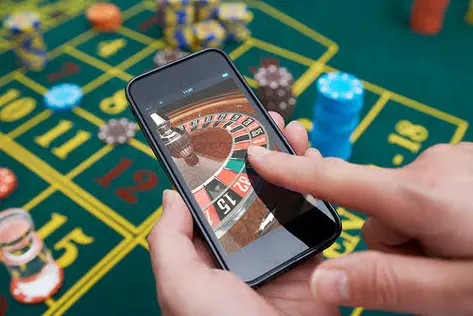
The Deposit Rail That Actually Holds
The mechanics matter more than the marketing. A real Monero casino deposit begins with a wallet-side transaction that obfuscates sender, receiver, and amount through ring signatures, stealth addresses, and RingCT. If the operator generates a fresh subaddress per player and confirms funds against the mempool rather than a custodial processor, the player's on-chain footprint ends at the deposit. If the operator instead routes XMR through an intermediary that converts to fiat and demands identity verification, the entire privacy proposition collapses into theater. 🎯
Speed is the second variable. Monero blocks land roughly every two minutes, and a competent cashier credits the balance after a handful of confirmations. Anything beyond that window signals a back-office that is manually reconciling exposure — a red flag for Monero casino deposit integrity. The wallet architecture should also expose a unique integrated address per session, never a shared hot wallet that lumps every player into one auditable cluster.
Where Anonymity Leaks and How Operators Patch It
Deposit privacy is only half the battle. Withdrawal flow, session logs, and IP handling are where anonymity quietly bleeds out. A platform that keeps raw IP addresses tied to account IDs has effectively built a deanonymization database regardless of how clean the XMR rail is. Proper operators hash or discard connection metadata, enforce TLS end-to-end, and never require an email that can be cross-referenced against breach dumps.
The account layer deserves equal scrutiny. Username-only registration with no phone verification is the baseline; anything more is friction designed to harvest identity. 🛡️ The strongest setups pair anonymous crypto gambling with provably fair RNG seeding, so the player can verify game outcomes without ever revealing who they are. This is the difference between genuine privacy engineering and a landing page promising "no KYC" while logging everything behind the curtain.

Operational Hygiene the Player Controls
The operator cannot save you from your own sloppy habits. A fresh wallet per platform, Tor or a reputable VPN at the network layer, and a disciplined separation between your Monero holdings and any fiat on-ramp are non-negotiable. Deposit amounts should avoid round, fingerprintable sums — send 0.4137 XMR, not a clean 0.5. ⚡ Consistency in transaction sizing is a subtle but real clustering vector.
Confirm that the cashier accepts direct XMR transfers rather than forcing a swap through a third-party aggregator, which reintroduces the identity checkpoint the whole exercise was meant to eliminate. Watch for platforms that quietly enable "enhanced due diligence" triggers above certain deposit thresholds — those thresholds are the operational signature of Monero casino deposit compliance theater, and they exist to build a paper trail the moment your volume looks interesting to a regulator.
Hard Limits and the Honest Failures
No deposit rail fixes a broken operator. If the withdrawal path demands documentation, the anonymity of the deposit is meaningless — you simply moved the identity checkpoint downstream. The only architecture worth trusting keeps the entire lifecycle symmetric: same privacy guarantees on the way in and on the way out, no selective enforcement, and a cashier that treats XMR confirmation as the sole source of truth. Anything less is a compliance compromise dressed up as a feature.